Wales records driest and joint hottest July since records began

Wales has recorded its driest and joint hottest July on record, according to provisional Met Office figures.
A combination of prolonged heat and exceptionally low rainfall saw both Wales and England experience record-breaking weather throughout the month.
Wales experienced its joint warmest July on record with a mean temperature of 17.8C, joining 2006 and 1983. The UK also experienced its second warmest July on record after England and Northern Ireland also recorded their second warmest July.
July was the sixth consecutive month in 2026 to record above-average mean temperatures, with only January 2026 so far experiencing mean temperatures below average. The month’s mean temperature was 2C above average.
Last month was also exceptionally sunny, with England and Wales recording not only their sunniest Julys on record, but also their sunniest calendar month ever observed.
Met Office Science Manager Dr. Amy Doherty said the combination of record-breaking heat and a lack of rainfall has delivered “one of the most notable summer months in our historical records.”
“July 2026 has been a truly remarkable month in the UK’s climate record. Both England and Wales have provisionally recorded their driest July on record – Wales also its joint warmest. Southern England has seen its driest month ever recorded, and England and Wales have each experienced their sunniest month ever observed.
“The combination of record-breaking dryness, exceptional warmth and unprecedented sunshine has delivered one of the most notable summer months in our historical records.”
Provisional Met Office statistics show that Wales recorded just 9.3mm of rainfall in July – just 9% of its long-term meteorological average for the month and less than half of the previous record of 22.6mm set in 1911.
On 30 July Natural Resources Wales (NRW) declared drought status across Wales after some groundwater levels were lower than expected for the time of year.
As a result of the lack of rainfall and sustained hot weather, NRW said its teams are dealing with impacts on the environment, agriculture and water resources.
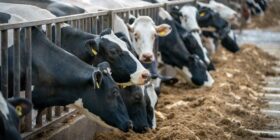
This includes reports of drying riverbeds, fish in distress, algal blooms, continued wildfire risk and concerns from the agricultural community about crop growth, grazing conditions and water availability for livestock.
The majority of rivers are also exceptionally low, including the Rivers Clwyd, Alyn, Clywedog, Dyfi, Conwy, Cleddau, Cothi, Teifi, Wye and Usk.
Helen Wakeham, Chair of the National Drought Group and Director of Water at the Environment Agency, said: “Dry weather depletes our water, while the hot conditions mean we use more of it. This is a difficult combination, and we are seeing the effects on our farmers, our wildlife, and the amount available for public and business use.
“All sectors are taking action, and we are grateful to the public for following the restrictions, where in place, to make sure there is enough water for everyone this summer.
“We want everyone to stay safe and hydrated during the hot weather but every drop we can save is a drop more for nature and agriculture.”
Spotted something? Got a story? Send a Facebook Message | A direct message on Twitter | Email news@north.wales